
// // Button groups // -------------------------------------------------- // Make the div behave like a button .btn-group, .btn-group-vertical { position: relative; display: inline-block; vertical-align: middle; // match .btn alignment given font-size hack above > .btn { position: relative; float: left; // Bring the "active" button to the front &:hover, &:focus, &:active, &.active { z-index: 2; } &:focus { // Remove focus outline when dropdown JS adds it after closing the menu outline: 0; } } } // Prevent double borders when buttons are next to each other .btn-group { .btn + .btn, .btn + .btn-group, .btn-group + .btn, .btn-group + .btn-group { margin-left: -1px; } } // Optional: Group multiple button groups together for a toolbar .btn-toolbar { margin-left: -5px; // Offset the first child's margin &:extend(.clearfix all); .btn-group, .input-group { float: left; } > .btn, > .btn-group, > .input-group { margin-left: 5px; } } .btn-group > .btn:not(:first-child):not(:last-child):not(.dropdown-toggle) { border-radius: 0; } // Set corners individual because sometimes a single button can be in a .btn-group and we need :first-child and :last-child to both match .btn-group > .btn:first-child { margin-left: 0; &:not(:last-child):not(.dropdown-toggle) { .border-right-radius(0); } } // Need .dropdown-toggle since :last-child doesn't apply given a .dropdown-menu immediately after it .btn-group > .btn:last-child:not(:first-child), .btn-group > .dropdown-toggle:not(:first-child) { .border-left-radius(0); } // Custom edits for including btn-groups within btn-groups (useful for including dropdown buttons within a btn-group) .btn-group > .btn-group { float: left; } .btn-group > .btn-group:not(:first-child):not(:last-child) > .btn { border-radius: 0; } .btn-group > .btn-group:first-child { > .btn:last-child, > .dropdown-toggle { .border-right-radius(0); } } .btn-group > .btn-group:last-child > .btn:first-child { .border-left-radius(0); } // On active and open, don't show outline .btn-group .dropdown-toggle:active, .btn-group.open .dropdown-toggle { outline: 0; } // Sizing // // Remix the default button sizing classes into new ones for easier manipulation. .btn-group-xs > .btn { &:extend(.btn-xs); } .btn-group-sm > .btn { &:extend(.btn-sm); } .btn-group-lg > .btn { &:extend(.btn-lg); } // Split button dropdowns // ---------------------- // Give the line between buttons some depth .btn-group > .btn + .dropdown-toggle { padding-left: 8px; padding-right: 8px; } .btn-group > .btn-lg + .dropdown-toggle { padding-left: 12px; padding-right: 12px; } // The clickable button for toggling the menu // Remove the gradient and set the same inset shadow as the :active state .btn-group.open .dropdown-toggle { .box-shadow(inset 0 3px 5px rgba(0,0,0,.125)); // Show no shadow for `.btn-link` since it has no other button styles. &.btn-link { .box-shadow(none); } } // Reposition the caret .btn .caret { margin-left: 0; } // Carets in other button sizes .btn-lg .caret { border-width: @caret-width-large @caret-width-large 0; border-bottom-width: 0; } // Upside down carets for .dropup .dropup .btn-lg .caret { border-width: 0 @caret-width-large @caret-width-large; } // Vertical button groups // ---------------------- .btn-group-vertical { > .btn, > .btn-group, > .btn-group > .btn { display: block; float: none; width: 100%; max-width: 100%; } // Clear floats so dropdown menus can be properly placed > .btn-group { &:extend(.clearfix all); > .btn { float: none; } } > .btn + .btn, > .btn + .btn-group, > .btn-group + .btn, > .btn-group + .btn-group { margin-top: -1px; margin-left: 0; } } .btn-group-vertical > .btn { &:not(:first-child):not(:last-child) { border-radius: 0; } &:first-child:not(:last-child) { border-top-right-radius: @border-radius-base; .border-bottom-radius(0); } &:last-child:not(:first-child) { border-bottom-left-radius: @border-radius-base; .border-top-radius(0); } } .btn-group-vertical > .btn-group:not(:first-child):not(:last-child) > .btn { border-radius: 0; } .btn-group-vertical > .btn-group:first-child:not(:last-child) { > .btn:last-child, > .dropdown-toggle { .border-bottom-radius(0); } } .btn-group-vertical > .btn-group:last-child:not(:first-child) > .btn:first-child { .border-top-radius(0); } // Justified button groups // ---------------------- .btn-group-justified { display: table; width: 100%; table-layout: fixed; border-collapse: separate; > .btn, > .btn-group { float: none; display: table-cell; width: 1%; } > .btn-group .btn { width: 100%; } > .btn-group .dropdown-menu { left: auto; } } // Checkbox and radio options // // In order to support the browser's form validation feedback, powered by the // `required` attribute, we have to "hide" the inputs via `opacity`. We cannot // use `display: none;` or `visibility: hidden;` as that also hides the popover. // This way, we ensure a DOM element is visible to position the popover from. // // See https://github.com/twbs/bootstrap/pull/12794 for more. [data-toggle="buttons"] > .btn > input[type="radio"], [data-toggle="buttons"] > .btn > input[type="checkbox"] { position: absolute; z-index: -1; .opacity(0); } .elementor-animation-grow-rotate { transition-duration: 0.3s; transition-property: transform; } .elementor-animation-grow-rotate:active, .elementor-animation-grow-rotate:focus, .elementor-animation-grow-rotate:hover { transform: scale(1.1) rotate(4deg); } Todo lo que necesitas saber sobre Chicken Road 2 Un juego de aventuras épicas – Smart Porteria Virtual

Todo lo que necesitas saber sobre Chicken Road 2 Un juego de aventuras épicas

Todo lo que necesitas saber sobre Chicken Road 2 Un juego de aventuras épicas

Bienvenidos a la emocionante aventura de chicken road 2 juego juegochickenroad2.es, donde los desafíos y la diversión se entrelazan en un viaje único que no querrás perderte. Chicken Road 2 es la secuela del popular juego Chicken Road, y ha llegado para llevar a los jugadores a un nuevo nivel de entretenimiento. Si no conoces todavía este juego, aquí te contaremos todo lo que necesitas saber sobre él, desde su jugabilidad hasta algunas estrategias para mejorar tu experiencia.

¿Qué es Chicken Road 2?

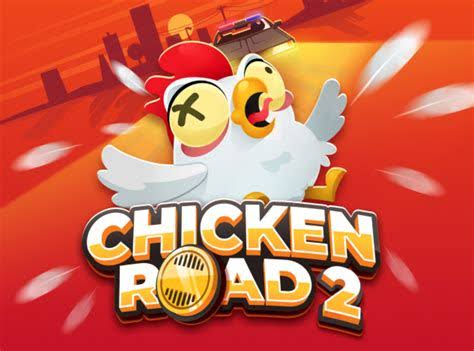
Chicken Road 2 es un juego de arcade que combina elementos de carrera y aventura en un entorno colorido y atractivo. En este juego, los jugadores asumen el papel de un gallo valiente que debe atravesar diferentes terrenos y enfrentar numerosos obstáculos para llegar a su destino. La premisa es sencilla: guiar al gallo a través de caminos complicados, recoger monedas y evitar peligros a lo largo de la ruta.

Características del juego

Chicken Road 2 ofrece una variedad de características que capturan la atención de los jugadores y brindan una experiencia de juego entretenida:

  • Niveles desafiantes: El juego cuenta con múltiples niveles que aumentan en dificultad a medida que avanzas. Desde terrenos difíciles hasta enemigos astutos, cada nivel presenta nuevos desafíos.
  • Recoge monedas y power-ups: Mientras juegas, puedes recoger monedas que te permiten desbloquear mejoras y nuevas habilidades. También hay power-ups que te ayudarán a superar momentos difíciles.
  • Gráficos vibrantes: Los gráficos coloridos y bien diseñados hacen que el juego sea visualmente atractivo. Los personajes son adorables y los escenarios son variados, lo que añade un atractivo adicional.
  • Modos de juego: Puedes elegir entre varios modos de juego, ya sea para jugar solo o competir con amigos. Esto añade un elemento social al juego y lo hace aún más divertido.

¿Cómo jugar a Chicken Road 2?

Todo lo que necesitas saber sobre Chicken Road 2 Un juego de aventuras épicas

La jugabilidad en Chicken Road 2 es bastante intuitiva. Aquí te dejamos una guía rápida sobre cómo comenzar:

  1. Elige tu personaje: Comienza seleccionando el gallo que prefieras. Cada personaje tiene habilidades únicas que pueden ayudarte en tu camino.
  2. Inicia la aventura: Una vez que hayas seleccionado tu personaje, puedes comenzar a jugar. Utiliza las teclas de dirección para mover a tu gallo hacia adelante, hacia atrás y saltar para evitar obstáculos.
  3. Recoge monedas: Asegúrate de recoger tantas monedas como te sea posible. Estas te ayudarán a desbloquear nuevas habilidades y a mejorar tus capacidades de carrera.
  4. Evita los peligros: Mantén los ojos abiertos y evita los obstáculos como coches, trampas y enemigos que intenten frenar tu avance. La clave es ser ágil y rápido.

Estrategias para mejorar tu juego

Ahora que conoces lo básico sobre cómo jugar, aquí tienes algunas estrategias que te pueden ayudar a ser un mejor jugador:

  • Conoce el mapa: Familiarízate con los diferentes niveles. Conocer donde están los obstáculos y los mejores lugares donde recoger monedas puede marcar la diferencia entre ganar y perder.
  • Usa power-ups estratégicamente: No dudes en utilizar los power-ups en momentos críticos. Estos pueden ayudarte a evitar un obstáculo o darte un impulso adicional cuando más lo necesitas.
  • Practica: Cuanto más juegues, mejor serás. Tómate el tiempo para practicar en cada nivel y mejorar tus habilidades.
  • Compite con amigos: Si tienes amigos que también juegan, compite con ellos para mejorar tu rendimiento y divertirte aún más.

Conclusión

Chicken Road 2 es un juego que ofrece una mezcla perfecta de diversión, aventura y desafío. Con sus vibrantes gráficos, niveles emocionantes y la posibilidad de competir con amigos, es un título que seguramente capturará la atención de cualquier jugador. Ya sea que busques pasar un rato divertido o un desafío serio, Chicken Road 2 tiene algo para todos. No esperes más y comienza tu aventura hoy mismo, visitando juegochickenroad2.es.

Deja un comentario

Tu dirección de correo electrónico no será publicada. Los campos obligatorios están marcados con *

Scroll al inicio