

// // Button groups // -------------------------------------------------- // Make the div behave like a button .btn-group, .btn-group-vertical { position: relative; display: inline-block; vertical-align: middle; // match .btn alignment given font-size hack above > .btn { position: relative; float: left; // Bring the "active" button to the front &:hover, &:focus, &:active, &.active { z-index: 2; } &:focus { // Remove focus outline when dropdown JS adds it after closing the menu outline: 0; } } } // Prevent double borders when buttons are next to each other .btn-group { .btn + .btn, .btn + .btn-group, .btn-group + .btn, .btn-group + .btn-group { margin-left: -1px; } } // Optional: Group multiple button groups together for a toolbar .btn-toolbar { margin-left: -5px; // Offset the first child's margin &:extend(.clearfix all); .btn-group, .input-group { float: left; } > .btn, > .btn-group, > .input-group { margin-left: 5px; } } .btn-group > .btn:not(:first-child):not(:last-child):not(.dropdown-toggle) { border-radius: 0; } // Set corners individual because sometimes a single button can be in a .btn-group and we need :first-child and :last-child to both match .btn-group > .btn:first-child { margin-left: 0; &:not(:last-child):not(.dropdown-toggle) { .border-right-radius(0); } } // Need .dropdown-toggle since :last-child doesn't apply given a .dropdown-menu immediately after it .btn-group > .btn:last-child:not(:first-child), .btn-group > .dropdown-toggle:not(:first-child) { .border-left-radius(0); } // Custom edits for including btn-groups within btn-groups (useful for including dropdown buttons within a btn-group) .btn-group > .btn-group { float: left; } .btn-group > .btn-group:not(:first-child):not(:last-child) > .btn { border-radius: 0; } .btn-group > .btn-group:first-child { > .btn:last-child, > .dropdown-toggle { .border-right-radius(0); } } .btn-group > .btn-group:last-child > .btn:first-child { .border-left-radius(0); } // On active and open, don't show outline .btn-group .dropdown-toggle:active, .btn-group.open .dropdown-toggle { outline: 0; } // Sizing // // Remix the default button sizing classes into new ones for easier manipulation. .btn-group-xs > .btn { &:extend(.btn-xs); } .btn-group-sm > .btn { &:extend(.btn-sm); } .btn-group-lg > .btn { &:extend(.btn-lg); } // Split button dropdowns // ---------------------- // Give the line between buttons some depth .btn-group > .btn + .dropdown-toggle { padding-left: 8px; padding-right: 8px; } .btn-group > .btn-lg + .dropdown-toggle { padding-left: 12px; padding-right: 12px; } // The clickable button for toggling the menu // Remove the gradient and set the same inset shadow as the :active state .btn-group.open .dropdown-toggle { .box-shadow(inset 0 3px 5px rgba(0,0,0,.125)); // Show no shadow for `.btn-link` since it has no other button styles. &.btn-link { .box-shadow(none); } } // Reposition the caret .btn .caret { margin-left: 0; } // Carets in other button sizes .btn-lg .caret { border-width: @caret-width-large @caret-width-large 0; border-bottom-width: 0; } // Upside down carets for .dropup .dropup .btn-lg .caret { border-width: 0 @caret-width-large @caret-width-large; } // Vertical button groups // ---------------------- .btn-group-vertical { > .btn, > .btn-group, > .btn-group > .btn { display: block; float: none; width: 100%; max-width: 100%; } // Clear floats so dropdown menus can be properly placed > .btn-group { &:extend(.clearfix all); > .btn { float: none; } } > .btn + .btn, > .btn + .btn-group, > .btn-group + .btn, > .btn-group + .btn-group { margin-top: -1px; margin-left: 0; } } .btn-group-vertical > .btn { &:not(:first-child):not(:last-child) { border-radius: 0; } &:first-child:not(:last-child) { border-top-right-radius: @border-radius-base; .border-bottom-radius(0); } &:last-child:not(:first-child) { border-bottom-left-radius: @border-radius-base; .border-top-radius(0); } } .btn-group-vertical > .btn-group:not(:first-child):not(:last-child) > .btn { border-radius: 0; } .btn-group-vertical > .btn-group:first-child:not(:last-child) { > .btn:last-child, > .dropdown-toggle { .border-bottom-radius(0); } } .btn-group-vertical > .btn-group:last-child:not(:first-child) > .btn:first-child { .border-top-radius(0); } // Justified button groups // ---------------------- .btn-group-justified { display: table; width: 100%; table-layout: fixed; border-collapse: separate; > .btn, > .btn-group { float: none; display: table-cell; width: 1%; } > .btn-group .btn { width: 100%; } > .btn-group .dropdown-menu { left: auto; } } // Checkbox and radio options // // In order to support the browser's form validation feedback, powered by the // `required` attribute, we have to "hide" the inputs via `opacity`. We cannot // use `display: none;` or `visibility: hidden;` as that also hides the popover. // This way, we ensure a DOM element is visible to position the popover from. // // See https://github.com/twbs/bootstrap/pull/12794 for more. [data-toggle="buttons"] > .btn > input[type="radio"], [data-toggle="buttons"] > .btn > input[type="checkbox"] { position: absolute; z-index: -1; .opacity(0); } .elementor-animation-grow-rotate { transition-duration: 0.3s; transition-property: transform; } .elementor-animation-grow-rotate:active, .elementor-animation-grow-rotate:focus, .elementor-animation-grow-rotate:hover { transform: scale(1.1) rotate(4deg); } The Impact of Gamification on Mobile Casino Apps 378183112 – Smart Porteria Virtual

The Impact of Gamification on Mobile Casino Apps 378183112

The Impact of Gamification on Mobile Casino Apps 378183112

Gamification in Mobile Casino Apps: Revolutionizing User Engagement

As the mobile gaming industry continues to expand, the integration of gamification within mobile casino apps has emerged as a crucial trend. Gamification utilizes game-like elements in non-game contexts to engage users, increase their motivation, and enhance overall experiences. This approach is particularly effective in the mobile casino realm, where competition is fierce, and user retention is a top priority. Gamification in Mobile Casino Apps Ivibet review emphasizes the importance of gamified features in maintaining player interest and satisfaction.

Understanding Gamification

Gamification involves incorporating elements typically found in games—such as points, leaderboards, rewards, and challenges—into non-gaming environments. This strategy has proven effective in various sectors, including education, marketing, and fitness, but its most transformative impact is seen in mobile casino apps. By applying gamification principles, developers can create a more compelling experience that encourages users to engage repetitively with their platform.

The Benefits of Gamification in Mobile Casino Apps

1. **Enhanced User Engagement**: One of the primary benefits of implementing gamification in mobile casino apps is the boost in user engagement. By incorporating challenges, missions, and rewards, players are motivated to spend more time on the app. The constant push for achievement can convert gaming sessions into longer, immersive experiences.

2. **Increased Retention Rates**: With numerous options available in the competitive mobile casino market, retaining players is crucial. Gamification not only incentivizes users to log in regularly but also encourages them to return after brief absences. When players are rewarded for consecutive logins or achieving specific goals, they’re more likely to stick around.

3. **Building a Community**: Many mobile casino apps integrate social features that leverage gamification to foster community. Features like leaderboards and social sharing motivate players to compete with friends or other users, enhancing the social aspect of gaming. This sense of community can be a decisive factor for players when choosing which casino app to continue using.

Elements of Gamification in Mobile Casino Apps

Developers employ various gamification elements in mobile casino apps to enhance user experience.

Points and Rewards System

Most mobile casino apps employ a points or rewards system where users collect points for various activities—playing games, making deposits, or completing certain challenges. These points can often be exchanged for bonuses, free spins, or other perks, which keeps players engaged and coming back for more.
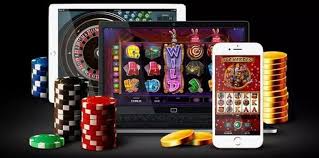
The Impact of Gamification on Mobile Casino Apps 378183112

Achievements and Badges

By offering achievements or badges for specific milestones, mobile casinos can motivate players to explore all aspects of the app. For example, players may unlock a badge for playing a certain number of games or for participating in live dealer tables, promoting a more profound engagement with the app’s offerings.

Challenges and Tournaments

Challenges and tournaments introduce a competitive edge to mobile casino apps. Players can participate in time-limited challenges to earn cash prizes or other goodies, fostering a sense of urgency and excitement. Tournaments can also be a great way to draw in users and keep them engaged for longer periods.

Leaderboards

Leaderboards create a competitive environment that encourages healthy rivalry and engagement among players. Seeing their name on a leaderboard can be a strong motivator for many. It showcases the top players, fostering competition and incentivizing users to strive for higher rankings.

Challenges in Implementing Gamification

While gamification offers numerous advantages, there are challenges in its implementation that developers must navigate. One significant challenge is ensuring that the gamified elements do not distract from the core gaming experience. If players are more focused on earning points or climbing leaderboards than enjoying the games themselves, it can detract from their experience.

Another challenge is maintaining balance in gameplay. Players should feel challenged, but not overwhelmed. Developers must carefully design gamification elements to ensure they complement the overall user experience rather than interrupt it.

Future Trends in Gamification for Mobile Casinos

As technology evolves, so will gamification strategies in mobile casino apps. Developers are likely to explore augmented reality (AR) and virtual reality (VR) to create immersive gaming experiences. These technologies can introduce new ways for players to engage with casino games, offering highly interactive and user-friendly environments.

Personalization is another area where future advancements may lie. Utilizing AI and machine learning to tailor gamification elements to individual users’ preferences can enhance engagement further. Customized challenges and rewards can provide players with an experience that feels uniquely theirs, increasing satisfaction.

Conclusion

Gamification is reshaping how mobile casino apps engage with users, creating a vibrant blend of entertainment and competition. By harnessing game-like elements, developers can increase user retention, boost engagement, and foster a sense of community among players. As this trend continues to evolve, the implications for the gambling industry are substantial, making it an exciting time for players and developers alike. The combination of gamification with innovative technological advancements may very well define the next generation of mobile gaming.

Deja un comentario

Tu dirección de correo electrónico no será publicada. Los campos obligatorios están marcados con *

Scroll al inicio