
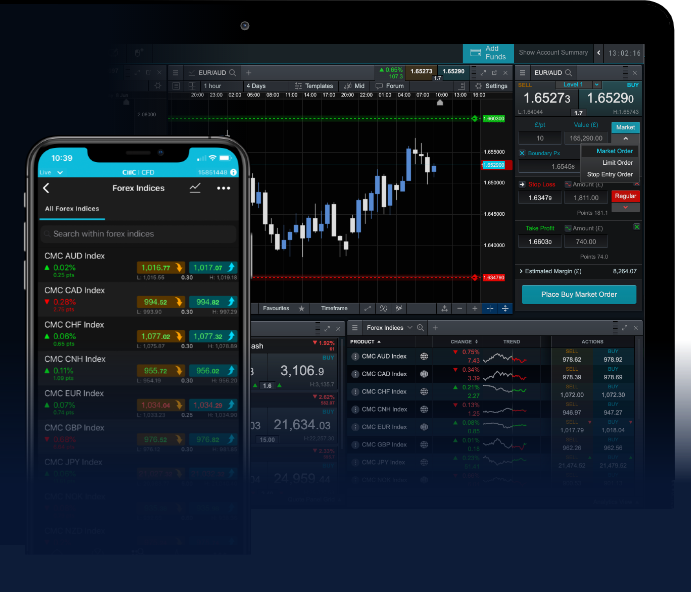
Forex Trading vs Stock Trading: A Comprehensive Comparison
In the world of financial markets, investors are constantly looking for opportunities to grow their wealth. Two of the most popular avenues for investment are forex trading and stock trading. While both can be lucrative, they operate in fundamentally different ways. This article explores the differences between forex trading and stock trading, helping you understand which option may be the best for your investment goals and style. Additionally, you can find more information on forex trading vs stock trading Top Trading Platforms to get started with your trading journey.
What is Forex Trading?
Forex (foreign exchange) trading involves the exchange of one currency for another in the global currency market. It operates 24 hours a day, five days a week, making it one of the most accessible markets worldwide. Forex trading is characterized by high liquidity and massive daily trading volumes, with trillions of dollars changing hands each day.
Forex Trading Mechanics
In forex trading, currency pairs are the fundamental units of trade. For example, the EUR/USD pair indicates the exchange rate between the Euro and the US Dollar. Traders speculate on whether the value of one currency will rise or fall against another. The forex market’s decentralized nature means that there is no single exchange, and trading occurs through a network of banks, brokers, and financial institutions.
What is Stock Trading?
Stock trading involves buying and selling shares in publicly traded companies. Investors purchase stocks to gain ownership in a company and participate in its growth and success. Unlike forex, the stock market operates with specific trading hours on exchanges, such as the New York Stock Exchange (NYSE) and the NASDAQ.
Stock Trading Mechanics
When trading stocks, investors buy shares at a certain price with the hope that the company’s value will increase over time. Stocks can pay dividends, providing shareholders with a portion of the company’s earnings. Stocks are classified into various sectors, including technology, healthcare, and finance, allowing investors to diversify their portfolios.

Key Differences Between Forex and Stock Trading
Market Hours
Forex trading operates 24/5, providing opportunities to trade at any time, which is particularly beneficial for traders who have other commitments during regular trading hours. In contrast, stock trading has limited hours based on the exchange, typically from 9:30 AM to 4 PM EST for major US exchanges.
Leverage and Margin
One of the most significant differences lies in the leverage offered in both markets. Forex trading typically allows higher leverage ratios – sometimes up to 100:1 or even higher – meaning traders can control a large position with a relatively small amount of capital. While stocks also offer margin accounts, the leverage is considerably lower, often not exceeding 2:1 in the US.
Market Volatility
The forex market tends to experience higher volatility due to geopolitical events, economic reports, and central bank decisions affecting currency values. In contrast, stock market volatility can be impacted by company earnings reports, industry trends, and general market sentiment, leading to price fluctuations based on a broader set of factors.
Liquidity
Forex trading benefits from unparalleled liquidity, with average daily trading volumes exceeding $6 trillion. This high liquidity allows traders to enter and exit positions with minimal slippage. The stock market has varying levels of liquidity depending on the stock being traded. Large-cap stocks are generally more liquid than small-cap counterparts, which may experience significant liquidity issues during trading.
Asset Ownership
Stock trading involves purchasing shares and thus gaining ownership in a company, enabling participation in dividends and shareholder meetings. Forex trading, on the other hand, does not involve ownership of underlying assets; traders are merely speculating on currency price movements without owning the actual currencies.

Regulations
Both markets are regulated, but the forex market is decentralized, meaning that regulations vary significantly across countries. This can impact trading conditions and investor protections. Stock markets are typically regulated by government entities, such as the Securities and Exchange Commission (SEC) in the United States, ensuring a higher level of oversight.
Pros and Cons of Forex Trading
Advantages:
- High liquidity allows for rapid trade execution.
- 24/5 market hours offer flexibility for traders.
- High leverage possibilities can amplify returns.
- Diverse trading strategies can be employed.
Disadvantages:
- High leverage can also amplify losses.
- Market volatility may lead to rapid losses.
- Requires significant risk management skills.
Pros and Cons of Stock Trading
Advantages:
- Ownership in companies, offering potential dividends.
- Stock markets are widely regulated, providing investor protections.
- Ability to analyze company fundamentals for informed decision-making.
Disadvantages:
- Limited trading hours compared to forex.
- Lower leverage possibilities restrict the potential for quick profits.
- Market fluctuations can be influenced by a wide range of factors, making predictions challenging.
Conclusion: Which is Right for You?
The choice between forex trading and stock trading ultimately depends on your individual goals, risk tolerance, and trading style. If you seek flexibility, high liquidity, and the ability to trade around the clock, forex may be the better option. On the other hand, if you prefer the idea of owning a stake in companies, benefiting from dividends, and having a regulated trading environment, stock trading may be more suitable.
Regardless of the path you choose, it’s essential to educate yourself, develop a solid trading plan, and consider utilizing reputable trading platforms to manage your investments effectively.