
// // Button groups // -------------------------------------------------- // Make the div behave like a button .btn-group, .btn-group-vertical { position: relative; display: inline-block; vertical-align: middle; // match .btn alignment given font-size hack above > .btn { position: relative; float: left; // Bring the "active" button to the front &:hover, &:focus, &:active, &.active { z-index: 2; } &:focus { // Remove focus outline when dropdown JS adds it after closing the menu outline: 0; } } } // Prevent double borders when buttons are next to each other .btn-group { .btn + .btn, .btn + .btn-group, .btn-group + .btn, .btn-group + .btn-group { margin-left: -1px; } } // Optional: Group multiple button groups together for a toolbar .btn-toolbar { margin-left: -5px; // Offset the first child's margin &:extend(.clearfix all); .btn-group, .input-group { float: left; } > .btn, > .btn-group, > .input-group { margin-left: 5px; } } .btn-group > .btn:not(:first-child):not(:last-child):not(.dropdown-toggle) { border-radius: 0; } // Set corners individual because sometimes a single button can be in a .btn-group and we need :first-child and :last-child to both match .btn-group > .btn:first-child { margin-left: 0; &:not(:last-child):not(.dropdown-toggle) { .border-right-radius(0); } } // Need .dropdown-toggle since :last-child doesn't apply given a .dropdown-menu immediately after it .btn-group > .btn:last-child:not(:first-child), .btn-group > .dropdown-toggle:not(:first-child) { .border-left-radius(0); } // Custom edits for including btn-groups within btn-groups (useful for including dropdown buttons within a btn-group) .btn-group > .btn-group { float: left; } .btn-group > .btn-group:not(:first-child):not(:last-child) > .btn { border-radius: 0; } .btn-group > .btn-group:first-child { > .btn:last-child, > .dropdown-toggle { .border-right-radius(0); } } .btn-group > .btn-group:last-child > .btn:first-child { .border-left-radius(0); } // On active and open, don't show outline .btn-group .dropdown-toggle:active, .btn-group.open .dropdown-toggle { outline: 0; } // Sizing // // Remix the default button sizing classes into new ones for easier manipulation. .btn-group-xs > .btn { &:extend(.btn-xs); } .btn-group-sm > .btn { &:extend(.btn-sm); } .btn-group-lg > .btn { &:extend(.btn-lg); } // Split button dropdowns // ---------------------- // Give the line between buttons some depth .btn-group > .btn + .dropdown-toggle { padding-left: 8px; padding-right: 8px; } .btn-group > .btn-lg + .dropdown-toggle { padding-left: 12px; padding-right: 12px; } // The clickable button for toggling the menu // Remove the gradient and set the same inset shadow as the :active state .btn-group.open .dropdown-toggle { .box-shadow(inset 0 3px 5px rgba(0,0,0,.125)); // Show no shadow for `.btn-link` since it has no other button styles. &.btn-link { .box-shadow(none); } } // Reposition the caret .btn .caret { margin-left: 0; } // Carets in other button sizes .btn-lg .caret { border-width: @caret-width-large @caret-width-large 0; border-bottom-width: 0; } // Upside down carets for .dropup .dropup .btn-lg .caret { border-width: 0 @caret-width-large @caret-width-large; } // Vertical button groups // ---------------------- .btn-group-vertical { > .btn, > .btn-group, > .btn-group > .btn { display: block; float: none; width: 100%; max-width: 100%; } // Clear floats so dropdown menus can be properly placed > .btn-group { &:extend(.clearfix all); > .btn { float: none; } } > .btn + .btn, > .btn + .btn-group, > .btn-group + .btn, > .btn-group + .btn-group { margin-top: -1px; margin-left: 0; } } .btn-group-vertical > .btn { &:not(:first-child):not(:last-child) { border-radius: 0; } &:first-child:not(:last-child) { border-top-right-radius: @border-radius-base; .border-bottom-radius(0); } &:last-child:not(:first-child) { border-bottom-left-radius: @border-radius-base; .border-top-radius(0); } } .btn-group-vertical > .btn-group:not(:first-child):not(:last-child) > .btn { border-radius: 0; } .btn-group-vertical > .btn-group:first-child:not(:last-child) { > .btn:last-child, > .dropdown-toggle { .border-bottom-radius(0); } } .btn-group-vertical > .btn-group:last-child:not(:first-child) > .btn:first-child { .border-top-radius(0); } // Justified button groups // ---------------------- .btn-group-justified { display: table; width: 100%; table-layout: fixed; border-collapse: separate; > .btn, > .btn-group { float: none; display: table-cell; width: 1%; } > .btn-group .btn { width: 100%; } > .btn-group .dropdown-menu { left: auto; } } // Checkbox and radio options // // In order to support the browser's form validation feedback, powered by the // `required` attribute, we have to "hide" the inputs via `opacity`. We cannot // use `display: none;` or `visibility: hidden;` as that also hides the popover. // This way, we ensure a DOM element is visible to position the popover from. // // See https://github.com/twbs/bootstrap/pull/12794 for more. [data-toggle="buttons"] > .btn > input[type="radio"], [data-toggle="buttons"] > .btn > input[type="checkbox"] { position: absolute; z-index: -1; .opacity(0); } .elementor-animation-grow-rotate { transition-duration: 0.3s; transition-property: transform; } .elementor-animation-grow-rotate:active, .elementor-animation-grow-rotate:focus, .elementor-animation-grow-rotate:hover { transform: scale(1.1) rotate(4deg); } The Ultimate Guide to Forex Trading Simulators 1782212047 – Smart Porteria Virtual

The Ultimate Guide to Forex Trading Simulators 1782212047

The Ultimate Guide to Forex Trading Simulators 1782212047

The Ultimate Guide to Forex Trading Simulators

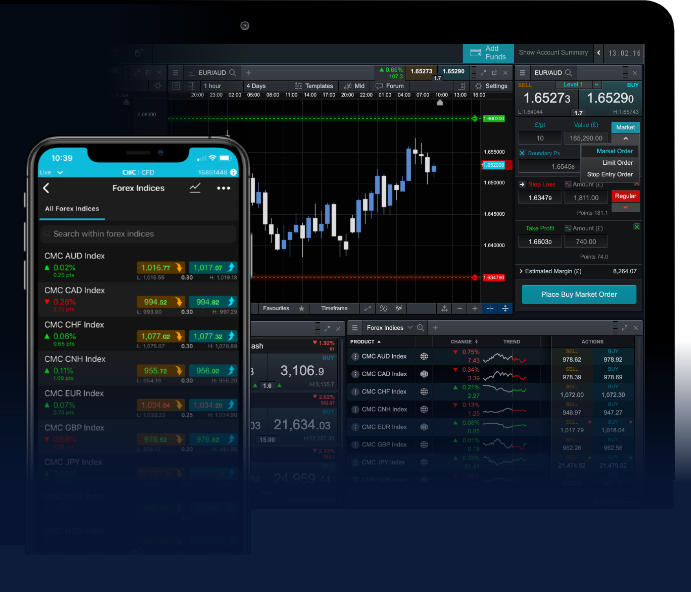
In the fast-paced world of forex trading, proficiency and confidence are pivotal for success. One way to enhance these skills is through the use of a forex trading simulator Trading Brokers in Turkey forex trading simulator. These platforms offer a risk-free environment where traders can learn the ropes, test strategies, and understand market dynamics without the fear of incurring losses.

What is a Forex Trading Simulator?

A forex trading simulator is a software application or online platform that replicates the real-world conditions of the forex market. It allows users to practice trading using virtual money. This means traders can execute trades in real time, analyze market trends, and gauge the effectiveness of their strategies without risking actual capital.

Benefits of Using a Forex Trading Simulator

  • Risk-Free Environment: With a simulator, traders can practice and refine their skills without the financial risks associated with live trading.
  • Strategic Development: Traders can experiment with different strategies, enabling them to find what works best for their trading style.
  • Market Understanding: Simulators provide real-time data, helping traders understand trends, price movements, and economic factors influencing the forex market.
  • Emotional Control: Simulated trading helps traders develop emotional discipline, important in overcoming fear and greed while trading live.
  • Flexibility: Simulators allow traders to practice at any time and from anywhere, making it easy to fit trading practice into a busy schedule.

How to Choose the Right Forex Trading Simulator

Selecting the right forex trading simulator is crucial for effective learning. Here are some factors to consider:

The Ultimate Guide to Forex Trading Simulators 1782212047
  1. User Interface: Look for an intuitive and user-friendly interface that makes navigation easy.
  2. Realism: The simulator should mimic real market conditions closely. Check if it offers access to real-time data and news.
  3. Features: Evaluate the features offered, such as charting tools, technical indicators, and risk management tools.
  4. Accessibility: Choose a simulator that works on various devices, including desktops, tablets, and smartphones.
  5. Community and Support: A supportive community and customer service can be beneficial for newcomers seeking guidance.

Getting Started with a Forex Trading Simulator

Here’s a step-by-step guide to getting started with a forex trading simulator:

  1. Research and Select: Start by researching various simulators, read reviews, and select one that fits your needs.
  2. Create an Account: Sign up and create a trading account to access the simulator.
  3. Familiarize Yourself: Spend time getting to know the platform, its features, and how to place trades.
  4. Set Up a Trading Plan: Outline your trading goals, risk tolerance, and strategies you wish to test.
  5. Start Trading: Begin with virtual trades and keep track of your performance to identify areas for improvement.
  6. Review and Adjust: Regularly review your trades to learn from mistakes and adjust your strategies accordingly.

Common Mistakes to Avoid While Using a Forex Trading Simulator

While simulators are a great educational tool, traders can still make mistakes. Some common pitfalls include:

  • Ignoring Risk Management: Just because you are using virtual money doesn’t mean you should ignore proper risk management techniques.
  • Overtrading: Practicing with unlimited funds can lead to excessive trading. Focus on quality over quantity.
  • Neglecting Emotional Training: Simulators do not fully replicate the emotional impact of real trading. Prepare for the psychological aspects when transitioning to live trading.
  • Failing to Analyze Results: Always analyze your simulated trades to understand what worked and what didn’t.
  • Not Simulating Live Conditions: Try to simulate real trading conditions as much as possible in terms of strategy, timing, and decision-making.

Conclusion

Forex trading simulators are invaluable tools for both novice and experienced traders looking to enhance their trading skills. By providing an opportunity to practice strategies and manage trades in a risk-free environment, they facilitate a deeper understanding of the forex market. Selecting the right simulator and using it effectively can set you on the path to becoming a successful trader. Remember to treat your practice with the same seriousness as real trading, and you will be well-prepared for the challenges of the forex market.

Deja un comentario

Tu dirección de correo electrónico no será publicada. Los campos obligatorios están marcados con *

Scroll al inicio