

Your Ultimate Guide to Forex Trading Accounts
In the world of trading, forex trading accounts serve as the gateway for both new and experienced traders. Choosing the right forex trading account Trading Brokers and understanding the different types of accounts available is crucial for success. This guide aims to demystify the process of selecting a forex trading account and offers tips for effectively managing your trading journey.
What is a Forex Trading Account?
A forex trading account is a financial account that allows you to trade currencies in the foreign exchange market. These accounts are typically opened with a brokerage firm that provides trading services and platforms. By using a forex trading account, traders can buy, sell, and manage currencies, aiming for profit based on fluctuating exchange rates.
Types of Forex Trading Accounts
There are several types of forex trading accounts, each catering to different types of traders and their specific needs. The common types include:
1. Standard Account
A standard forex trading account is ideal for experienced traders. It typically requires a higher initial capital investment and allows for larger trade sizes. Standard accounts offer the advantage of better spreads and leverage.
2. Mini Account
Mini accounts are designed for novice traders who want to start trading with a lower deposit. The trade sizes are smaller, which minimizes potential losses. This type of account is perfect for practicing trading strategies in a live market environment without significant financial risk.
3. Micro Account
Micro accounts function similarly to mini accounts but allow for even smaller trade sizes. They are suitable for beginner traders looking to learn and practice trading without committing a significant amount of capital. Micro accounts offer a safe way to gain experience and confidence.

4. Managed Account
Managed accounts are another option for traders who prefer to leave the trading decisions to professionals. In this case, an experienced trader or a fund manager manages the account on behalf of the investor. This option is ideal for individuals who lack the time or knowledge to participate actively in trading.
Choosing the Right Forex Trading Account
Selecting the right forex trading account can significantly impact your trading success. Here are some key factors to consider before making a decision:
1. Trading Style
Your trading style will guide your choice of account. If you prefer to trade frequently with larger amounts, a standard account may be more suited to your needs. Conversely, if you’re just starting, a micro or mini account will allow you to gain experience with less risk.
2. Initial Deposit
Different accounts come with varying minimum deposit requirements. Assess how much capital you are willing to invest initially and choose an account that aligns with your budget.
3. Leverage and Margin
Leverage allows traders to control larger positions than their initial capital would normally allow. It’s essential to understand the leverage offered with each account type, as higher leverage can result in both bigger profits and bigger losses.
4. Trading Commissions and Spreads
Compare the trading commissions and spreads offered by different brokers. Lower spreads can make a significant difference in profitability over time, particularly for active traders.
5. Trading Platform
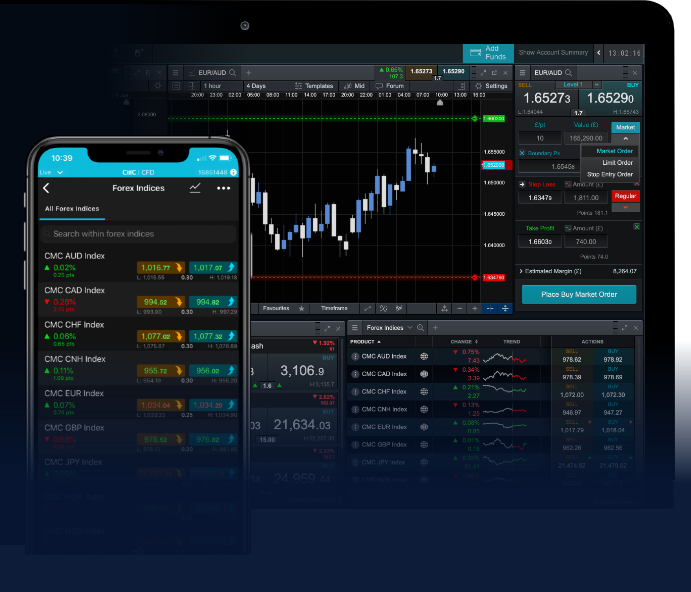
The trading platform plays a crucial role in your trading experience. Ensure that the broker you choose offers a user-friendly and reliable trading platform. Features such as analytical tools, charting options, and mobile compatibility can enhance your trading effectiveness.
Tips for Successful Forex Trading
Once you’ve opened your forex trading account, the next challenge is to ensure successful trading. Here are some tips to help you:
1. Develop a Trading Plan
A well-structured trading plan is vital for guiding your trading activities. It should outline your goals, risk tolerance, trading strategy, and money management rules. Having a clear plan in place will help you stay disciplined and avoid emotional trading decisions.
2. Practice with a Demo Account
Before risking real money, consider practicing with a demo trading account. Most brokers offer demo accounts that allow you to trade with virtual funds. This gives you an opportunity to familiarize yourself with the trading platform and test your strategies without financial risk.
3. Keep Learning and Stay Updated
The forex market is constantly evolving, so it’s essential to stay informed about market trends, economic indicators, and geopolitical events that can impact currency prices. Continuous learning and adapting your strategies accordingly will enhance your trading effectiveness.
4. Manage Your Risks
Proper risk management is critical to long-term trading success. Be sure to utilize stop-loss orders and only risk a small percentage of your trading capital on any single trade. This approach ensures that even if you encounter a string of losses, your account remains intact.
Conclusion
Understanding forex trading accounts is crucial for anyone looking to enter the forex market. By carefully choosing the account type that fits your trading style and applying solid trading principles, you can increase your chances of success. Always remember to keep learning and adapting, and make well-informed decisions to navigate the complexities of forex trading effectively.