
Master the Odds: Your Guide to Winning Casino Games
After a long week, you might sit at a digital blackjack table, where the goal is to beat the dealer’s hand without exceeding 21. Casino games are structured activities of chance or skill, like slots or poker, which use random outcomes or strategic decisions for engagement. Understanding each game’s specific rules and odds is the primary benefit, as it directly affects your session and potential outcomes. To use them, you simply place a bet, follow the game’s unique interface or table guidelines, and receive immediate results based on the gameplay.
Mastering the House: Core Strategies for Table Classics
Mastering the House: Core Strategies for Table Classics transforms raw gameplay into a calculated edge, focusing on foundational tactics for blackjack, baccarat, and craps. By internalizing basic strategy charts for blackjack, you reduce the house edge to under 1%, turning every hit or stand decision into a data-driven move. For baccarat, the core strategy is simple: always bet on the banker due to its lower commission and statistical advantage. In craps, mastering the Pass Line and Come bets with full odds eliminates the house’s built-in margin, creating a dynamic rhythm where discipline outweighs luck. These core strategies don’t guarantee wins but arm you with control, turning chaotic table classics into a systematic challenge you can actively navigate.
Why Blackjack’s Basic Chart Is Your Best Bet
The Basic Chart is your strongest weapon against the house edge because it removes guesswork from every decision. By memorizing this strategy, you follow mathematically proven optimal play for any hand versus the dealer’s upcard. This cuts the casino advantage to under 0.5%, far better than relying on instinct. Using the chart consistently means you never chase losses with bad splits or risky doubles. To apply it flawlessly:
- Determine your total and the dealer’s visible card.
- Locate the intersection on the chart for Hit, Stand, Double, or Split.
- Execute that action every time, ignoring table talk or emotion.
That discipline transforms blackjack from a gamble into a calculated pursuit.
The Art of Splitting Pairs and Doubling Down
In blackjack, knowing when to split pairs or double down is where the real edge lives. Always split aces and eights—turning one weak hand into two strong ones. Never split tens or fives; tens ruin a great hand, while fives are better for strategic doubling down on a dealer’s weak upcard. Double down on eleven against any dealer card, but only on soft hands like A-7 against a five or six. This isn’t guesswork—it’s calculated aggression that maximizes wins and minimizes losses when the odds tilt your way.
Reading the Shoe: When Card Counting Actually Works
Reading the shoe transforms card counting from theory into action by tracking the density of high cards remaining. This works best in single- or double-deck games, where penetration reveals clear patterns. The process follows a logical sequence:
- Maintain a running count by adding +1 for low cards (2–6) and subtracting –1 for high cards (10–Ace).
- Convert to a true count by dividing the running count by the estimated remaining decks.
- Increase bet size only when the true count exceeds +2, as the player’s edge then outweighs the house advantage.
The shoe’s composition dictates decisions: hit or stand deviations apply strictly when the count signals surplus tens or aces, not at neutral or negative counts.
The Wheel of Fortune: Unlocking Roulette’s Secrets
The wheel spins, a blur of red and black, and in that instant, «The Wheel of Fortune: Unlocking Roulette’s Secrets» transforms a casual bet into a story of fate. This guide doesn’t promise winning, but it reveals the mathematical edge inside every spin, teaching you to distinguish the house’s trap from a true opportunity. You learn to spot biased wheels through subtle ball drops, a skill that turns the casino floor into a puzzle. Yet, the croupier’s hand still decides the final bounce, making each session a dance between strategy and surrender. Playing with these secrets means you don’t just place chips; you read the table’s rhythm, knowing when to walk away before the wheel resets its spell.
Inside vs. Outside Bets: Risk and Reward Made Simple
Roulette’s heart beats with two distinct choices: Inside bets offer thrilling, high-reward payouts (up to 35:1) but hit rarely, while Outside bets provide near-even money with much higher win rates. Inside wagers, like a straight-up number, risk chips for a life-changing win; outside wagers on red/black or odd/even trade glamour for consistency. Risk scales inversely with probability—inside stakes are volatile, outside bets grind steady gains. Q: Which bet type helps beginners survive longer? A: Outside bets, due to their lower house edge (2.7% on single-zero) and frequent payouts, making bankroll last through more spins.
European, American, and French Variations Explained
European, American, and French roulette variations are defined by their wheel layout and house edge. European roulette uses a single zero, giving it a 2.70% house advantage. American roulette adds a double zero, increasing the house edge to 5.26% and worsening player odds. French roulette shares the single-zero wheel but offers unique rules like La Partage and En Prison, which return half an even-money bet on a zero outcome, reducing the house edge to 1.35%. To choose a variation, follow this sequence:
- Identify the wheel: if it has one zero, it is European or French; two zeros indicate American.
- Check table rules: French tables feature La Partage or En Prison; European tables typically do not.
- Prefer French for the best return on even-money bets, then European, and avoid American unless required by casino availability.
Myth-Busting Popular Roulette Betting Systems
Many players swear by systems like Martingale or Fibonacci, believing they can beat the house. The myth is that these predictable progression patterns change the odds—they don’t. Each spin is independent, so a losing streak can drain your bankroll fast. In reality, no betting strategy alters the built-in house edge on a European or American wheel. Short-term luck might feel like a win, but long-term math always wins out.
- Doubling bets after a loss (Martingale) risks huge sums for tiny gains.
- Fibonacci sequences add no advantage—just a structured way to lose.
- Flat betting preserves your bankroll better than any «surefire» system.
Poker Room Wisdom: Beyond the River Card
Poker Room Wisdom: Beyond the River Card transforms how you navigate casino games by shifting focus from simple hand strength to deep psychological reads and table dynamics. Instead of obsessing over the river card, you learn to exploit opponents’ betting patterns, timing tells, and emotional leaks. A key insight is that most players fixate on their own cards, but
The real edge comes from understanding why someone bet—not just what they hold.
This approach helps you fold strong hands against obvious traps and bluff confidently when the board suggests a story. It’s about mastering the human element in every hand, turning the casino floor into a game of information warfare where patience and observation beat raw aggression.
Starting Hand Selection for Texas Hold’em
Mastering preflop hand selection is the foundation of winning Texas Hold’em, as it dictates every decision that follows. In a casino game, fold low suited connectors from early position, as they hemorrhage equity against multiple raisers. Tighten your range to premium pairs (TT+) and strong broadways (AK, AQ) when seated under the gun. From the button, you can profitably open weaker aces and small pairs for isolation. Avoid playing marginal hands like KJo or QTo from the blinds, where positional disadvantage grinds your bankroll. Q: Should I ever call a raise with 7-2 offsuit? A: Never. That is a statistical trap that destroys your edge; only a fool calls with the worst starting hand in poker.
Position Play: How Seat Order Changes Your Odds
Seat order fundamentally shifts your odds because acting last lets you see everyone’s moves before you commit chips. Late position dramatically increases your win rate by allowing you to fold marginal hands when opponents show strength or steal blinds when they check weak. Early position forces you to play tighter, as multiple players behind you can punish loose bets. A skilled player in late position actually profits more from bad hands than a novice does from good cards up front. Q: Does seat order matter more in cash games or tournaments? It matters equally in both, but in tournaments, rising blinds make early position mistakes costlier over time.
Bluffing with Purpose: When to Fold or Raise
Bluffing with purpose is not about deception for its own sake; it’s a calculated math problem tied directly to your opponent’s tendencies. You raise when the board texture favors a story you can credibly tell, and your opponent shows weakness through timing or sizing—this is strategic fold equity in action. Conversely, you fold your bluff when you detect a «calling station» who never releases top pair, or when multiple opponents remain in the hand, diluting your narrative’s power. The key is discipline: never bluff to “just see what happens.” Q: When should you absolutely avoid raising as a bluff? A: When the pot is multi-way and a passive player has already checked to you, signaling a likely trap they’re baiting you to spring.
Digital Reels: Navigating Slot Machine Mechanics
Digital reels in casino games operate through a random number generator (RNG) that determines each spin’s outcome independently, making every result unpredictable. Understanding payline configurations is crucial, as wins are calculated based on matching symbols across these active lines from left to right. The volatility of a slot directly affects your session; high-volatility reels offer larger but less frequent payouts, while low-volatility games provide smaller, steadier wins. Modern digital reels often incorporate cascading mechanics, where winning symbols disappear to allow new ones to fall in, creating opportunities for successive wins from a single spin. You must always check the game’s paytable to grasp symbol values and special features like wilds and scatters, which are central to navigating the reels effectively within any casino game environment.
Return to Player Percentages and Volatility Ratings
When picking a slot, you really need to weigh RTP and volatility together. Return to Player Percentages (RTP) tell you the theoretical payback over millions of spins—like a 96% RTP returning $96 for every $100 wagered. Volatility Ratings, on the other hand, dictate how often and how much you win: low volatility means frequent small wins, while high volatility brings rare but larger payouts. A high RTP with high volatility still drains your bankroll fast if you’re not prepared for the dry spells.
- Always check the RTP listed in the game info—anything above 96% is solid.
- Pick low volatility for longer play sessions with smaller, steadier wins.
- Opt for high volatility only if you have the budget to chase bigger hits.

Progressive Jackpots: Chasing the Big Payout
Progressive jackpots fuel the thrill of chasing a life-changing payout from a single spin. Unlike fixed prizes, a small portion of every wager across a linked network feeds a growing prize pool, which can soar into millions. To chase this big score, you must typically bet the maximum coins or lines—a crucial requirement that activates eligibility for the top tier. Focus on bankroll management for progressives, as the odds are steep; play for the excitement, not as a financial strategy. Always check the specific rules for each progressive game, as some trigger randomly while others require a bonus round.
- Verify the maximum bet requirement to qualify for the grand jackpot.
- Identify if the jackpot is standalone, local, or wide-area progressive.
- Stop chasing losses; set a strict session budget before spinning.

Bonus Rounds and Free Spins: What Triggers Them
Bonus rounds and free spins are typically triggered by landing three or more scatter symbols anywhere on the reels. Certain slots also unlock them through specific bonus symbols or during the base game’s random features. For example, some machines require you to collect a certain number of special icons over multiple spins to activate a free spins round. Multipliers often appear within these rounds, boosting your wins. What triggers them most reliably? Scatter-heavy games offer the clearest path—just watch for those distinct, glowing icons across all paylines.
Baccarat for Beginners: Less Luck, More Logic
For beginners, Baccarat offers a sharper contrast to luck-heavy casino games like slots. The core logic lies in its fixed house edge: the Banker bet holds a 1.06% advantage, making it statistically superior to the Player bet or Tie. Unlike blackjack, no decisions alter outcomes once cards are dealt, forcing players to focus solely on bet selection. Beginners benefit from tracking patterns on the scoreboard, but remain aware that each hand is an independent event. This simple, low-variance approach makes Baccarat for Beginners: Less Luck, More Logic a reliable entry point into strategic table play, avoiding the illusion of control found in other games.
Banker, Player, or Tie: Understanding Commission Rules
In Baccarat, the banker bet carries a house edge of 1.06%, but casinos impose a 5% commission on winning banker wagers, automatically deducted from your payout. The player bet has a slightly higher house edge at 1.24%, with no commission taken. The tie bet pays 8:1 or 9:1, but its house edge soars above 14%, making it statistically unfavorable. Understanding these commission rules is crucial; a winning banker bet of $100 nets only $95, while a player bet of $100 pays $100. For most beginners, understanding commission rules is essential to logical betting.
| Bet | House Edge | Commission | Payout (per $100) |
|---|---|---|---|
| Banker | 1.06% | 5% | $95 |
| Player | 1.24% | None | $100 |
| Tie | 14.36% | None | $800–$900 |
Shoe Management and Pattern Betting Fallacies
In baccarat, shoe management involves tracking cards dealt to anticipate deck composition shifts, yet pattern betting fallacies—like chasing streaks—ignore statistical independence. Each hand resets probability, making past outcomes irrelevant for prediction. Believing a «balanced» shoe dictates future results is a cognitive trap. Instead, focus on bet sizing and bankroll control, not fallacious pattern recognition. The shoe’s edge remains constant; only disciplined wagering logic mitigates losses.
| Shoe Management Reality | Pattern Betting Fallacy |
|---|---|
| Tracks card count for marginal insight | Assumes historic patterns predict outcomes |
| No effect on independent hand odds | Leads to chasing losses erroneously |
Craps and Combo Games: High-Energy Table Action
The rail vibrates as the stickman pushes dice toward you, and the table erupts in a symphony of cheers and groans. That raw energy defines Craps and Combo Games, where every roll dictates a new wave of side wagers and bonus triggers. In this high-energy table action, you’re not just betting on the pass line; you’re layering prop bets and fire bets that cascade into rapid payouts. The stick calls your number, combo bonuses stack, and the felt becomes a battlefield of odds and multipliers. For players craving non-stop volatility, these tables deliver a chaotic, visceral rhythm that standard blackjack or roulette simply cannot replicate.
Pass Line and Come Bets: The Safest Start
For players seeking a strategic anchor amid the high-energy table action, the Pass Line and Come Bets provide the safest start in craps. These wagers offer a low house edge of just 1.41%, making them the most statistically sound entry point for new players. Once a point is established, backing these bets with free odds—which carry no house advantage—further reduces the overall risk. This method focuses on consistent, low-pressure play rather than chasing volatile prop bets. By adhering to these core bets, you build a foundation for consistent wins without exposing your bankroll to the sharp swings of riskier options.
Q: How do Pass Line and Come Bets minimize risk for beginners?
A: They only lose on the come-out roll if a 2, 3, or 12 appears. Once a point is set, they become even-money bets with a favorable statistical edge, allowing you to survive longer sessions and capitalize on hot streaks.
Odds Behind the Line: Maximizing Your Edge
In craps, the «Odds Behind the Line» bet is your secret weapon for maximizing your edge. After you place a Pass or Come bet, you can back it with Odds, which pay true mathematical odds—no house cut. This extra wager slashes the overall house edge on your total action to under 1%. Always take the maximum Odds the table allows, as this is the only bet in the casino with zero built-in advantage for the house. For example, on a 3-4-5X odds table, backing a $10 Pass bet with $50 in Odds turns a 1.41% house edge into a mere 0.37%.
| Bet Type | House Edge |
|---|---|
| Pass Line Only | 1.41% |
| Pass Line + Max Odds (3-4-5X) | 0.37% |
New-Age Betting: Live Dealer and Virtual Innovations
Live dealer technology bridges the gap between digital convenience and real-world authenticity by streaming a human croupier handling physical cards, roulette wheels, or dice directly to your screen. You place bets via an interface, but the outcome is determined by tangible equipment rather than a Random Number Generator, building trust in game integrity. In contrast, virtual innovations leverage advanced graphics and physics engines for automated rounds at blistering speed, including animated blackjack or slot-style crash games where you can exit an increasing multiplier for a cash-out. Both formats allow you to interact through chat or side-bet menus, but live dealer focuses on social pacing and genuine dealer reactions, while virtual modes prioritize rapid, solitary play and novel mechanic twists like cascading reels or progressive win tracks.
Streaming Technology: How Real-Time Play Changes Strategy
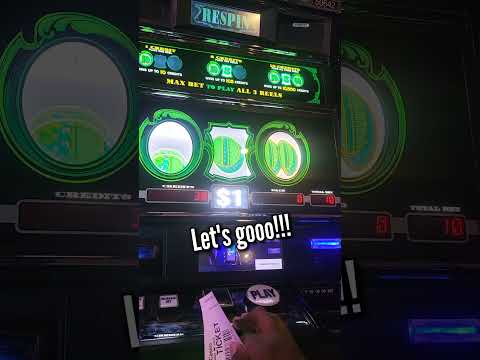
Streaming technology eliminates turn-based assumption, forcing players to adapt to a fluid, real-time environment. With live dealers operating physical equipment, the pace of decisions compresses, making hesitation costly. You must read the wheel’s spin or shoe’s rhythm as it happens, adjusting bets mid-round based on visible dealer patterns. This dynamic shifts strategy from static probability to adaptive timing and table flow. Observing how a dealer handles cards or spins the wheel live lets you predict micro-trends, turning every millisecond into a tactical input that static digital games never allow.
VR Tables and Mobile Optimizations for On-the-Go Play
VR tables replicate the tactile feel of a casino floor, allowing players to physically reach for chips or spin a virtual roulette wheel in real-time. Mobile optimizations ensure these immersive environments adapt seamlessly to smaller screens, with touch controls replacing hand gestures for placing bets or adjusting camera angles. On-the-go play relies on low-latency streaming and responsive UI design, enabling smooth transitions between VR sessions on a headset and quick mobile rounds during commutes. The integration focuses on consistent game logic across devices, so a dealer’s action in VR mirrors perfectly on a smartphone.
VR tables deliver spatial immersion, mobile optimizations prioritize adaptive controls and seamless cross-device sync, making high-fidelity table games accessible anywhere without compromising core mechanics.
Bankroll Blueprint: Managing Your Funds Like a Pro
Bankroll Blueprint transforms volatile casino games into a controlled, strategic session. Rather than chasing wins, you set a strict loss limit before playing blackjack or slots and treat it as the cost of entertainment. The core rule is to never bet more than 1-2% of your total bankroll on a single hand or spin.
This ensures you survive losing streaks long enough to capitalize on variance without going bust.
For table games like roulette, pre-define stop-win targets—walking away after a 20% increase protects your profits. Slots require dividing your trip bankroll by your average bet to guarantee a minimum number of spins. The Blueprint forces discipline, turning an emotional gamble into a calculated risk management exercise.
Setting Stop-Loss Limits and Win Goals
Setting stop-loss limits and win goals is the cornerstone of disciplined bankroll management. Before playing any session, decide a fixed monetary loss you will not exceed, and walk away immediately when it hits. Simultaneously, set a realistic profit target—for example, 20% of your session bankroll—and stop playing upon reaching it. This prevents chasing losses after a downswing and locking in gains after a hot streak. A simple pre-session rule: if your bankroll drops to your stop-loss cap, cash out; if it rises to your win goal, cash out. Emotions cause reckless decisions; these hard limits enforce rational exits.
| Aspect | Stop-Loss Limit | Win Goal |
|---|---|---|
| Purpose | Prevents emotional recovery betting | Secures profits before variance reverses |
| Example (€100 bankroll) | €70 remaining (€30 loss cap) | €130 balance (€30 profit target) |
| Action on Hit | Immediately stop and leave the game | Immediately stop and leave the game |
Unit Sizing: Flat Betting vs. Progressive Systems
Flat betting assigns a fixed unit size per wager, preserving bankroll longevity by capping loss variance regardless of recent outcomes. Progressive systems like the Martingale double after losses, risking exponential unit escalation that can breach session limits. While flat betting ensures predictable depletion curves ideal for steady play, progressive systems offer rapid recovery potential but demand a deep bankroll to absorb severe drawdowns. The optimal choice depends on your risk tolerance; flat betting suits conservative fund management, whereas progressives require strict loss caps to avoid catastrophic unit sizing errors.
Psychology at the Felt: Keeping a Cool Head
Mastering psychology at the felt is the key to profiting from casino games, as emotional tilt is your greatest opponent. When variance swings, your prefrontal cortex shuts down, replacing logic with impulsive bets. To keep a cool head, you must practice emotional detachment, treating each hand or spin as an isolated event. Immediately step away after a significant loss or a bad beat to reset your mental state, preventing the desperate urge to chase. In games like blackjack or poker, maintain a consistent, pre-planned strategy regardless of the dealer’s upcard or the pot size. Your sole focus is decision quality, not short-term results; a cool head ensures you exploit opponents’ frustration rather than becoming its victim.
Tilt Awareness and Emotional Triggers in Play
Tilt awareness is your first defense against emotional triggers that spike during casino games. When a bad beat or losing streak sparks frustration, that rush of adrenaline can cloud your judgment. Recognizing that hot flush—tightening chest, quickened breath—is your cue to step back. Watching for tilt tells in yourself, like sudden bet increases or blaming the dealer, helps you pause before chasing losses. Simple tricks, such as naming the emotion aloud or taking a one-minute breather, can reboot your focus. Keep your cool by treating each hand or spin as independent; emotional reactions only derail your strategy, not the game.

Drinking, Distractions, and Decision Fatigue
Alcohol lowers inhibitions, making it easier to chase losses or place reckless bets you’d normally avoid. Meanwhile, bright lights and constant noise are deliberate distractions that fragment your focus, causing you to miss subtle game patterns. This combo accelerates decision fatigue at the casino, draining your mental energy faster than playing sober. To protect your bankroll, recognize that each drink and every glance away from casino usa the table chips away at your clarity.
- Set a strict drink limit before you start playing.
- Take regular breaks to reset your attention.
- Turn off your phone to block notification distractions.
How Slot Machines Really Work and What Determines a Win
Understanding Random Number Generators in Digital Reels
Why Paylines and Bet Levels Change Your Odds
Recognizing High vs. Low Volatility Slots for Your Style
Essential Strategies for Table Games Like Blackjack and Roulette
Basic Blackjack Decisions That Cut the House Edge
Inside vs. Outside Bets: Which Roulette Wagers Offer Better Value
When to Use Betting Systems Like Martingale or Fibonacci
What Sets Live Dealer Games Apart from Automated Versions
How Real-Time Streaming Creates a Social Casino Atmosphere
Interacting with Dealers and Players for a Richer Experience
Choosing the Best Live Game Variants for Your Preferences
Key Features to Look for When Selecting an Online Casino Game
Return to Player Percentages and What They Mean for Payouts
Bonus Rounds, Free Spins, and In-Game Features That Boost Play
Mobile Compatibility and Game Load Times for Smooth Sessions
