

// // Button groups // -------------------------------------------------- // Make the div behave like a button .btn-group, .btn-group-vertical { position: relative; display: inline-block; vertical-align: middle; // match .btn alignment given font-size hack above > .btn { position: relative; float: left; // Bring the "active" button to the front &:hover, &:focus, &:active, &.active { z-index: 2; } &:focus { // Remove focus outline when dropdown JS adds it after closing the menu outline: 0; } } } // Prevent double borders when buttons are next to each other .btn-group { .btn + .btn, .btn + .btn-group, .btn-group + .btn, .btn-group + .btn-group { margin-left: -1px; } } // Optional: Group multiple button groups together for a toolbar .btn-toolbar { margin-left: -5px; // Offset the first child's margin &:extend(.clearfix all); .btn-group, .input-group { float: left; } > .btn, > .btn-group, > .input-group { margin-left: 5px; } } .btn-group > .btn:not(:first-child):not(:last-child):not(.dropdown-toggle) { border-radius: 0; } // Set corners individual because sometimes a single button can be in a .btn-group and we need :first-child and :last-child to both match .btn-group > .btn:first-child { margin-left: 0; &:not(:last-child):not(.dropdown-toggle) { .border-right-radius(0); } } // Need .dropdown-toggle since :last-child doesn't apply given a .dropdown-menu immediately after it .btn-group > .btn:last-child:not(:first-child), .btn-group > .dropdown-toggle:not(:first-child) { .border-left-radius(0); } // Custom edits for including btn-groups within btn-groups (useful for including dropdown buttons within a btn-group) .btn-group > .btn-group { float: left; } .btn-group > .btn-group:not(:first-child):not(:last-child) > .btn { border-radius: 0; } .btn-group > .btn-group:first-child { > .btn:last-child, > .dropdown-toggle { .border-right-radius(0); } } .btn-group > .btn-group:last-child > .btn:first-child { .border-left-radius(0); } // On active and open, don't show outline .btn-group .dropdown-toggle:active, .btn-group.open .dropdown-toggle { outline: 0; } // Sizing // // Remix the default button sizing classes into new ones for easier manipulation. .btn-group-xs > .btn { &:extend(.btn-xs); } .btn-group-sm > .btn { &:extend(.btn-sm); } .btn-group-lg > .btn { &:extend(.btn-lg); } // Split button dropdowns // ---------------------- // Give the line between buttons some depth .btn-group > .btn + .dropdown-toggle { padding-left: 8px; padding-right: 8px; } .btn-group > .btn-lg + .dropdown-toggle { padding-left: 12px; padding-right: 12px; } // The clickable button for toggling the menu // Remove the gradient and set the same inset shadow as the :active state .btn-group.open .dropdown-toggle { .box-shadow(inset 0 3px 5px rgba(0,0,0,.125)); // Show no shadow for `.btn-link` since it has no other button styles. &.btn-link { .box-shadow(none); } } // Reposition the caret .btn .caret { margin-left: 0; } // Carets in other button sizes .btn-lg .caret { border-width: @caret-width-large @caret-width-large 0; border-bottom-width: 0; } // Upside down carets for .dropup .dropup .btn-lg .caret { border-width: 0 @caret-width-large @caret-width-large; } // Vertical button groups // ---------------------- .btn-group-vertical { > .btn, > .btn-group, > .btn-group > .btn { display: block; float: none; width: 100%; max-width: 100%; } // Clear floats so dropdown menus can be properly placed > .btn-group { &:extend(.clearfix all); > .btn { float: none; } } > .btn + .btn, > .btn + .btn-group, > .btn-group + .btn, > .btn-group + .btn-group { margin-top: -1px; margin-left: 0; } } .btn-group-vertical > .btn { &:not(:first-child):not(:last-child) { border-radius: 0; } &:first-child:not(:last-child) { border-top-right-radius: @border-radius-base; .border-bottom-radius(0); } &:last-child:not(:first-child) { border-bottom-left-radius: @border-radius-base; .border-top-radius(0); } } .btn-group-vertical > .btn-group:not(:first-child):not(:last-child) > .btn { border-radius: 0; } .btn-group-vertical > .btn-group:first-child:not(:last-child) { > .btn:last-child, > .dropdown-toggle { .border-bottom-radius(0); } } .btn-group-vertical > .btn-group:last-child:not(:first-child) > .btn:first-child { .border-top-radius(0); } // Justified button groups // ---------------------- .btn-group-justified { display: table; width: 100%; table-layout: fixed; border-collapse: separate; > .btn, > .btn-group { float: none; display: table-cell; width: 1%; } > .btn-group .btn { width: 100%; } > .btn-group .dropdown-menu { left: auto; } } // Checkbox and radio options // // In order to support the browser's form validation feedback, powered by the // `required` attribute, we have to "hide" the inputs via `opacity`. We cannot // use `display: none;` or `visibility: hidden;` as that also hides the popover. // This way, we ensure a DOM element is visible to position the popover from. // // See https://github.com/twbs/bootstrap/pull/12794 for more. [data-toggle="buttons"] > .btn > input[type="radio"], [data-toggle="buttons"] > .btn > input[type="checkbox"] { position: absolute; z-index: -1; .opacity(0); } .elementor-animation-grow-rotate { transition-duration: 0.3s; transition-property: transform; } .elementor-animation-grow-rotate:active, .elementor-animation-grow-rotate:focus, .elementor-animation-grow-rotate:hover { transform: scale(1.1) rotate(4deg); } Nauru Citizenship Program Opportunities and Benefits – Smart Porteria Virtual

Nauru Citizenship Program Opportunities and Benefits

Welcome to the Nauru Citizenship Program

The Nauru Citizenship Program Main Website naurucitizenshipprogram main website serves as a comprehensive resource for individuals interested in obtaining citizenship in the unique Pacific nation of Nauru. This program offers a range of benefits and an uncomplicated pathway to secure citizenship, opening doors to new opportunities. In this article, we will delve into the details of the Nauru Citizenship Program, exploring its benefits, the application process, and the eligibility requirements.

Understanding Nauru

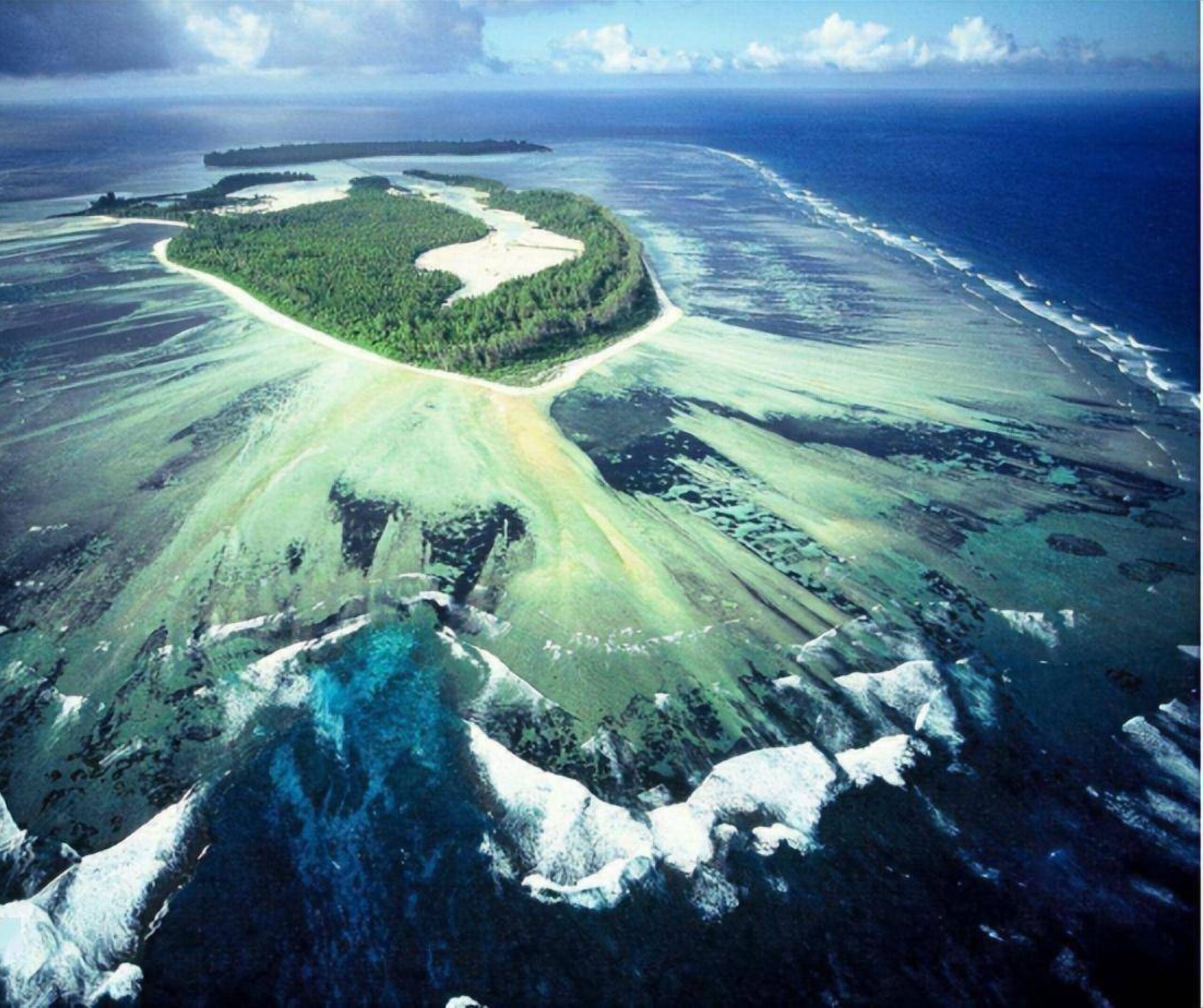
Nauru is a small island nation in Micronesia, known for its picturesque landscapes and vibrant culture. With a population of roughly 10,000 people, Nauru offers a serene environment and a unique blend of history and tradition. The nation’s economy heavily relies on phosphate mining, but Nauru is also focusing on diversifying its economic activities. Obtaining citizenship in Nauru not only provides the right to reside in this idyllic location but also enables citizens to participate in its governance and development.

Benefits of Nauru Citizenship

Obtaining Nauru citizenship comes with several advantages:

  • Visa-Free Access: Nauru citizens can access numerous countries without the need for a visa or can obtain a visa on arrival, making international travel more convenient.
  • Economic Opportunities: Citizenship provides opportunities to invest in Nauru’s growing economy, including real estate, tourism, and various business ventures.
  • Quality of Life: Nauru offers a peaceful lifestyle with beautiful beaches, a close-knit community, and a high standard of living.
  • Educational Benefits: Citizens can access educational resources and institutions within Nauru and take advantage of scholarships and local educational programs.

Eligibility Criteria for Nauru Citizenship

To apply for citizenship through the Nauru Citizenship Program, applicants must meet specific eligibility criteria:

  1. Be at least 18 years of age.
  2. Possess a clean criminal record and demonstrate good moral character.
  3. Be able to show financial stability and the ability to support oneself and any dependents.
  4. Meet the residency requirement, which typically includes living in Nauru for a minimum period (if applicable) as determined by the program.
  5. Complete the citizenship application process and provide all necessary documentation.

Application Process

The application process for the Nauru Citizenship Program is straightforward. Prospective applicants should follow these steps:

  1. Gather Documentation: Collect all required documents, including identification papers, proof of residency (if applicable), financial statements, and criminal record checks.
  2. Complete the Application Form: Fill out the official citizenship application form, available on the naurucitizenshipprogram main website.
  3. Submit the Application: Send the completed application along with all supporting documents to the relevant Nauru authorities.
  4. Await Response: After submission, applicants will be notified of the outcome of their application. This may take several weeks to months, depending on the review process.

Maintaining Nauru Citizenship

Once obtained, maintaining Nauru citizenship is typically straightforward, but it is important to comply with local laws and regulations. Citizens are expected to participate in civic duties, including adhering to tax responsibilities and being active in the Nauruan community. Failure to comply with legal obligations can lead to the loss of citizenship. It is advisable to stay informed about any changes in citizenship laws or regulations that may affect citizens.

Conclusion

The Nauru Citizenship Program presents a valuable opportunity for those looking to become part of a welcoming community in a stunning tropical setting. With its advantages, including visa-free travel, economic opportunities, and a high quality of life, the program is appealing to many. By understanding the application process and eligibility requirements, prospective citizens can navigate their journey to Nauruan citizenship with confidence. For more information, visit the naurucitizenshipprogram main website, where you can find resources and assistance to guide you through the application process.

Contact Information

If you have any questions or require further assistance regarding the Nauru Citizenship Program, do not hesitate to reach out to the dedicated support team via the contact form available on the official website. They are equipped to provide you with the necessary guidance and support as you embark on your journey to Nauruan citizenship.
Scroll al inicio