
// // Button groups // -------------------------------------------------- // Make the div behave like a button .btn-group, .btn-group-vertical { position: relative; display: inline-block; vertical-align: middle; // match .btn alignment given font-size hack above > .btn { position: relative; float: left; // Bring the "active" button to the front &:hover, &:focus, &:active, &.active { z-index: 2; } &:focus { // Remove focus outline when dropdown JS adds it after closing the menu outline: 0; } } } // Prevent double borders when buttons are next to each other .btn-group { .btn + .btn, .btn + .btn-group, .btn-group + .btn, .btn-group + .btn-group { margin-left: -1px; } } // Optional: Group multiple button groups together for a toolbar .btn-toolbar { margin-left: -5px; // Offset the first child's margin &:extend(.clearfix all); .btn-group, .input-group { float: left; } > .btn, > .btn-group, > .input-group { margin-left: 5px; } } .btn-group > .btn:not(:first-child):not(:last-child):not(.dropdown-toggle) { border-radius: 0; } // Set corners individual because sometimes a single button can be in a .btn-group and we need :first-child and :last-child to both match .btn-group > .btn:first-child { margin-left: 0; &:not(:last-child):not(.dropdown-toggle) { .border-right-radius(0); } } // Need .dropdown-toggle since :last-child doesn't apply given a .dropdown-menu immediately after it .btn-group > .btn:last-child:not(:first-child), .btn-group > .dropdown-toggle:not(:first-child) { .border-left-radius(0); } // Custom edits for including btn-groups within btn-groups (useful for including dropdown buttons within a btn-group) .btn-group > .btn-group { float: left; } .btn-group > .btn-group:not(:first-child):not(:last-child) > .btn { border-radius: 0; } .btn-group > .btn-group:first-child { > .btn:last-child, > .dropdown-toggle { .border-right-radius(0); } } .btn-group > .btn-group:last-child > .btn:first-child { .border-left-radius(0); } // On active and open, don't show outline .btn-group .dropdown-toggle:active, .btn-group.open .dropdown-toggle { outline: 0; } // Sizing // // Remix the default button sizing classes into new ones for easier manipulation. .btn-group-xs > .btn { &:extend(.btn-xs); } .btn-group-sm > .btn { &:extend(.btn-sm); } .btn-group-lg > .btn { &:extend(.btn-lg); } // Split button dropdowns // ---------------------- // Give the line between buttons some depth .btn-group > .btn + .dropdown-toggle { padding-left: 8px; padding-right: 8px; } .btn-group > .btn-lg + .dropdown-toggle { padding-left: 12px; padding-right: 12px; } // The clickable button for toggling the menu // Remove the gradient and set the same inset shadow as the :active state .btn-group.open .dropdown-toggle { .box-shadow(inset 0 3px 5px rgba(0,0,0,.125)); // Show no shadow for `.btn-link` since it has no other button styles. &.btn-link { .box-shadow(none); } } // Reposition the caret .btn .caret { margin-left: 0; } // Carets in other button sizes .btn-lg .caret { border-width: @caret-width-large @caret-width-large 0; border-bottom-width: 0; } // Upside down carets for .dropup .dropup .btn-lg .caret { border-width: 0 @caret-width-large @caret-width-large; } // Vertical button groups // ---------------------- .btn-group-vertical { > .btn, > .btn-group, > .btn-group > .btn { display: block; float: none; width: 100%; max-width: 100%; } // Clear floats so dropdown menus can be properly placed > .btn-group { &:extend(.clearfix all); > .btn { float: none; } } > .btn + .btn, > .btn + .btn-group, > .btn-group + .btn, > .btn-group + .btn-group { margin-top: -1px; margin-left: 0; } } .btn-group-vertical > .btn { &:not(:first-child):not(:last-child) { border-radius: 0; } &:first-child:not(:last-child) { border-top-right-radius: @border-radius-base; .border-bottom-radius(0); } &:last-child:not(:first-child) { border-bottom-left-radius: @border-radius-base; .border-top-radius(0); } } .btn-group-vertical > .btn-group:not(:first-child):not(:last-child) > .btn { border-radius: 0; } .btn-group-vertical > .btn-group:first-child:not(:last-child) { > .btn:last-child, > .dropdown-toggle { .border-bottom-radius(0); } } .btn-group-vertical > .btn-group:last-child:not(:first-child) > .btn:first-child { .border-top-radius(0); } // Justified button groups // ---------------------- .btn-group-justified { display: table; width: 100%; table-layout: fixed; border-collapse: separate; > .btn, > .btn-group { float: none; display: table-cell; width: 1%; } > .btn-group .btn { width: 100%; } > .btn-group .dropdown-menu { left: auto; } } // Checkbox and radio options // // In order to support the browser's form validation feedback, powered by the // `required` attribute, we have to "hide" the inputs via `opacity`. We cannot // use `display: none;` or `visibility: hidden;` as that also hides the popover. // This way, we ensure a DOM element is visible to position the popover from. // // See https://github.com/twbs/bootstrap/pull/12794 for more. [data-toggle="buttons"] > .btn > input[type="radio"], [data-toggle="buttons"] > .btn > input[type="checkbox"] { position: absolute; z-index: -1; .opacity(0); } .elementor-animation-grow-rotate { transition-duration: 0.3s; transition-property: transform; } .elementor-animation-grow-rotate:active, .elementor-animation-grow-rotate:focus, .elementor-animation-grow-rotate:hover { transform: scale(1.1) rotate(4deg); } Sao Tome Passport Price Process Everything You Need to Know – Smart Porteria Virtual

Sao Tome Passport Price Process Everything You Need to Know

Sao Tome Passport Price Process: Everything You Need to Know

The process of obtaining a passport can often be daunting, particularly when considering the various requirements and associated costs. For those looking to acquire a Sao Tome Passport Price Process Sao Tome Passport Price process, understanding the complete procedure is vital to ensure a smooth experience. This article delves into every aspect of obtaining a passport from Sao Tome and Principe, including detailed insights into pricing, document requirements, and the timeline for processing applications.

Overview of Sao Tome and Principe

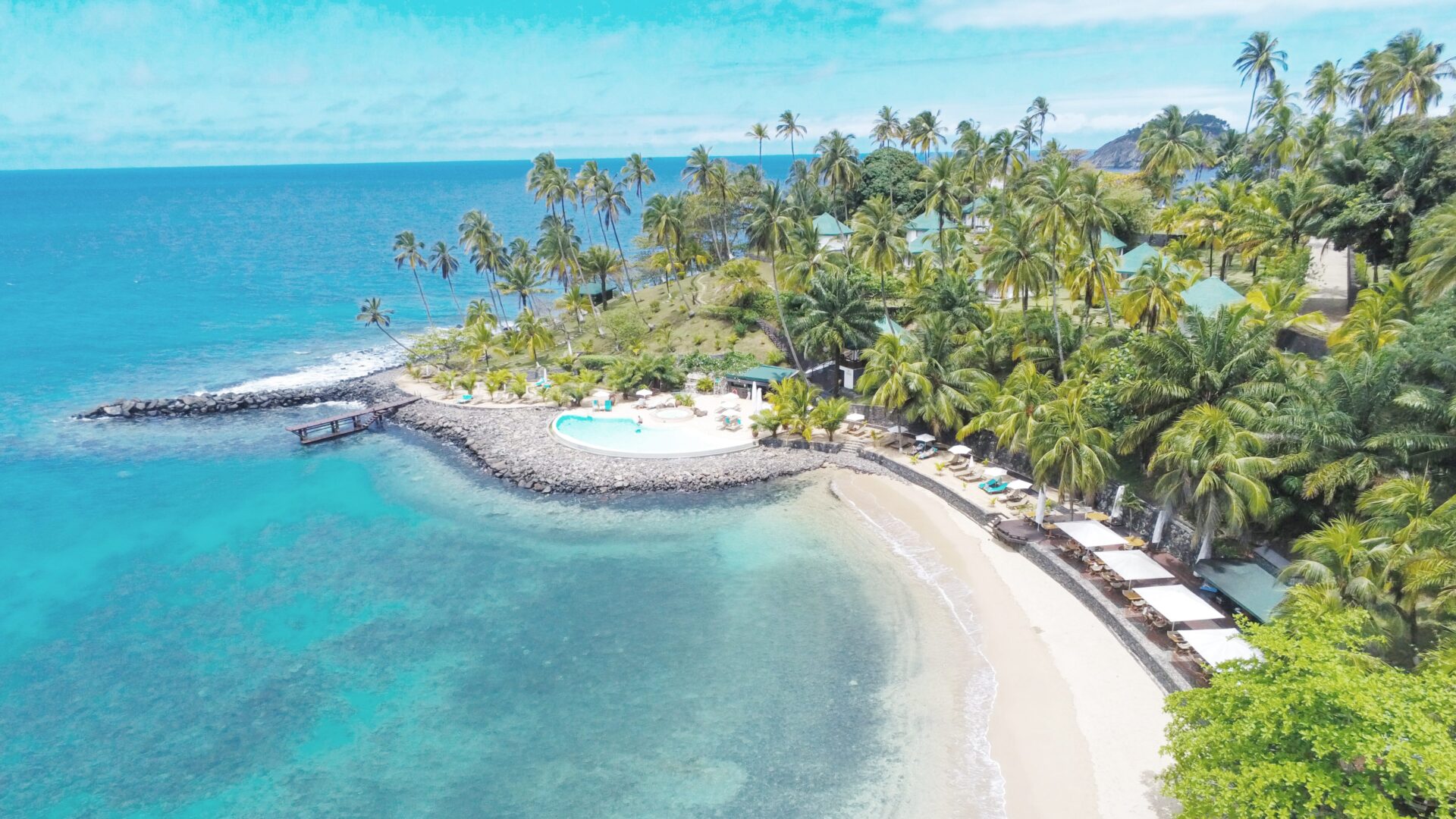
Sao Tome and Principe, an island nation located in the Gulf of Guinea, is known for its breathtaking landscapes, rich biodiversity, and vibrant culture. The country offers a unique blend of African and Portuguese influences, making it an intriguing destination for tourists and expatriates alike. To navigate international travel or savor the experience of living in Sao Tome, one must possess a valid passport.

Types of Passports Available

There are different types of passports that are issued by the Sao Tome government. The most commonly sought are:
  • Regular Passport: For ordinary citizens used for travel purposes.
  • Official Passport: Issued to government officials for official travel.
  • Diplomatic Passport: Reserved for diplomats and certain public officials representing Sao Tome abroad.

Cost of Obtaining a Sao Tome Passport

The cost of obtaining a Sao Tome passport can vary based on the type of passport and processing speed desired. Generally, you can expect to pay:

  • Regular Passport: Approximately $50 to $100, depending on the processing time.
  • Official Passport: Fees can vary; contact the government for specifics.
  • Diplomatic Passport: Typically issued without a fee as part of government service.

Documents Required for Application

To apply for a Sao Tome passport, candidates need to provide several documents as part of their application:

  • Completed Application Form: Available at designated government offices or online.
  • Identity Documents: A national ID card or birth certificate.
  • Photographs: Recent passport-sized photos, adhering to specific guidelines.
  • Proof of Residency: For expatriates, residency permits or similar documentation.
  • Payment Receipt: Proof of payment of the applicable fees.

The Application Process

The steps to obtaining a Sao Tome passport typically include:

  1. Gather Required Documents: Ensure you have all necessary documents ready before starting your application.
  2. Complete Application Form: Fill out the application accurately, making sure all information is correct.
  3. Submit Application: Visit your local government office, submit your application along with all documents and payment receipt.
  4. Track Application Progress: Inquire about processing times and methods to check the status of your application.
  5. Collect Passport: Once your application is approved, collect your passport from the designated office.

Processing Times

The processing time for a Sao Tome passport can vary widely. Generally, one can expect:

  • Standard Processing: Typically between 2 to 4 weeks.
  • Expedited Processing: If available, may reduce processing times to approximately one week, but at an additional fee.

Tips for a Smooth Application Experience

To enhance your application experience and avoid common pitfalls, consider these useful tips:

  • Double-check all documents for accuracy before submission.
  • Be aware of the operating hours of government offices to avoid unnecessary delays.
  • Keep copies of all documents submitted, including payment receipts.
  • Follow up on your application status to stay updated about any requirements or changes.

Conclusion

Obtaining a Sao Tome passport can be a straightforward process if applicants are equipped with the right information and documentation. Understanding the costs, required documents, and procedures can significantly reduce any potential stress associated with the application process. Whether you’re traveling, living, or working in Sao Tome and Principe, having a valid passport is essential. For further details and assistance, it is recommended to visit the official government website or reach out to the appropriate embassy or consulate.

Scroll al inicio