

// // Button groups // -------------------------------------------------- // Make the div behave like a button .btn-group, .btn-group-vertical { position: relative; display: inline-block; vertical-align: middle; // match .btn alignment given font-size hack above > .btn { position: relative; float: left; // Bring the "active" button to the front &:hover, &:focus, &:active, &.active { z-index: 2; } &:focus { // Remove focus outline when dropdown JS adds it after closing the menu outline: 0; } } } // Prevent double borders when buttons are next to each other .btn-group { .btn + .btn, .btn + .btn-group, .btn-group + .btn, .btn-group + .btn-group { margin-left: -1px; } } // Optional: Group multiple button groups together for a toolbar .btn-toolbar { margin-left: -5px; // Offset the first child's margin &:extend(.clearfix all); .btn-group, .input-group { float: left; } > .btn, > .btn-group, > .input-group { margin-left: 5px; } } .btn-group > .btn:not(:first-child):not(:last-child):not(.dropdown-toggle) { border-radius: 0; } // Set corners individual because sometimes a single button can be in a .btn-group and we need :first-child and :last-child to both match .btn-group > .btn:first-child { margin-left: 0; &:not(:last-child):not(.dropdown-toggle) { .border-right-radius(0); } } // Need .dropdown-toggle since :last-child doesn't apply given a .dropdown-menu immediately after it .btn-group > .btn:last-child:not(:first-child), .btn-group > .dropdown-toggle:not(:first-child) { .border-left-radius(0); } // Custom edits for including btn-groups within btn-groups (useful for including dropdown buttons within a btn-group) .btn-group > .btn-group { float: left; } .btn-group > .btn-group:not(:first-child):not(:last-child) > .btn { border-radius: 0; } .btn-group > .btn-group:first-child { > .btn:last-child, > .dropdown-toggle { .border-right-radius(0); } } .btn-group > .btn-group:last-child > .btn:first-child { .border-left-radius(0); } // On active and open, don't show outline .btn-group .dropdown-toggle:active, .btn-group.open .dropdown-toggle { outline: 0; } // Sizing // // Remix the default button sizing classes into new ones for easier manipulation. .btn-group-xs > .btn { &:extend(.btn-xs); } .btn-group-sm > .btn { &:extend(.btn-sm); } .btn-group-lg > .btn { &:extend(.btn-lg); } // Split button dropdowns // ---------------------- // Give the line between buttons some depth .btn-group > .btn + .dropdown-toggle { padding-left: 8px; padding-right: 8px; } .btn-group > .btn-lg + .dropdown-toggle { padding-left: 12px; padding-right: 12px; } // The clickable button for toggling the menu // Remove the gradient and set the same inset shadow as the :active state .btn-group.open .dropdown-toggle { .box-shadow(inset 0 3px 5px rgba(0,0,0,.125)); // Show no shadow for `.btn-link` since it has no other button styles. &.btn-link { .box-shadow(none); } } // Reposition the caret .btn .caret { margin-left: 0; } // Carets in other button sizes .btn-lg .caret { border-width: @caret-width-large @caret-width-large 0; border-bottom-width: 0; } // Upside down carets for .dropup .dropup .btn-lg .caret { border-width: 0 @caret-width-large @caret-width-large; } // Vertical button groups // ---------------------- .btn-group-vertical { > .btn, > .btn-group, > .btn-group > .btn { display: block; float: none; width: 100%; max-width: 100%; } // Clear floats so dropdown menus can be properly placed > .btn-group { &:extend(.clearfix all); > .btn { float: none; } } > .btn + .btn, > .btn + .btn-group, > .btn-group + .btn, > .btn-group + .btn-group { margin-top: -1px; margin-left: 0; } } .btn-group-vertical > .btn { &:not(:first-child):not(:last-child) { border-radius: 0; } &:first-child:not(:last-child) { border-top-right-radius: @border-radius-base; .border-bottom-radius(0); } &:last-child:not(:first-child) { border-bottom-left-radius: @border-radius-base; .border-top-radius(0); } } .btn-group-vertical > .btn-group:not(:first-child):not(:last-child) > .btn { border-radius: 0; } .btn-group-vertical > .btn-group:first-child:not(:last-child) { > .btn:last-child, > .dropdown-toggle { .border-bottom-radius(0); } } .btn-group-vertical > .btn-group:last-child:not(:first-child) > .btn:first-child { .border-top-radius(0); } // Justified button groups // ---------------------- .btn-group-justified { display: table; width: 100%; table-layout: fixed; border-collapse: separate; > .btn, > .btn-group { float: none; display: table-cell; width: 1%; } > .btn-group .btn { width: 100%; } > .btn-group .dropdown-menu { left: auto; } } // Checkbox and radio options // // In order to support the browser's form validation feedback, powered by the // `required` attribute, we have to "hide" the inputs via `opacity`. We cannot // use `display: none;` or `visibility: hidden;` as that also hides the popover. // This way, we ensure a DOM element is visible to position the popover from. // // See https://github.com/twbs/bootstrap/pull/12794 for more. [data-toggle="buttons"] > .btn > input[type="radio"], [data-toggle="buttons"] > .btn > input[type="checkbox"] { position: absolute; z-index: -1; .opacity(0); } .elementor-animation-grow-rotate { transition-duration: 0.3s; transition-property: transform; } .elementor-animation-grow-rotate:active, .elementor-animation-grow-rotate:focus, .elementor-animation-grow-rotate:hover { transform: scale(1.1) rotate(4deg); } Understanding the Role of Lawyers in Interpol Cases 1505094473 – Smart Porteria Virtual

Understanding the Role of Lawyers in Interpol Cases 1505094473

The intricacies of international law and policing are brought to the forefront when dealing with lawyers in Interpol cases. These legal professionals play a crucial role in defending clients who find themselves entangled in the web of global law enforcement. Interpol, or the International Criminal Police Organization, serves as a conduit for cooperation between law enforcement agencies across borders, facilitating the sharing of information and the pursuit of fugitives. However, this complex network can also pose significant legal challenges, necessitating the expertise of proficient lawyers who can navigate this legal landscape.

Understanding Interpol and Its Functions

Interpol was established in 1923 to assist police forces in different countries to collaborate effectively. Its mission is to facilitate international police cooperation, combat transnational crime, and enhance global security. While it does not have the authority to make arrests, it issues notices—most notably Red Notices—to alert member countries regarding individuals wanted for prosecution or to serve a sentence based on valid national arrest warrants. This can lead to significant legal repercussions for individuals, especially if they are unwittingly caught in the crosshairs of international law enforcement.

The Role of Lawyers in Interpol Cases

Laws regarding extradition, asylum, and international law can be overwhelming, and this is where the role of lawyers becomes critical. Lawyers specializing in Interpol cases work to inform and protect their clients’ rights in contexts where multiple legal systems intersect. Their work often involves challenging the legality of Red Notices and ensuring that their clients do not face unjust treatment.

Legal Strategies Employed by Lawyers

One of the primary strategies lawyers employ involves challenging the validity of Red Notices. They may argue that the Notice was issued based on insufficient evidence or that it violates the principles of fairness and justice. Moreover, lawyers must also be adept at handling extradition requests, which can vary significantly from one jurisdiction to another.

1. Challenging the Validity of Red Notices

Lawyers can contest Red Notices at both the national level and through Interpol’s Commission for the Control of Files (CCF). This involves filing a request for invalidation, which requires a compelling presentation of arguments and evidence that the Notice is politically motivated, abusive, or otherwise flawed. Successfully challenging a Red Notice can lead to its removal and safeguard the individual’s rights.

2. Navigating Extradition Laws

Extradition laws differ drastically worldwide. Lawyers must be familiar with the treaties and agreements between countries involved and present a solid defense against extradition efforts. They also consider asylum applications, especially if the client’s rights may be compromised if returned to their home country.

The Importance of Due Process

Due process is a critical aspect of legal proceedings, especially in matters involving Interpol. Lawyers advocate for their clients’ rights to ensure they are treated fairly throughout the legal process. This sometimes involves representing clients before international courts or human rights organizations if a violation of rights is suspected.

Case Studies of Successful Legal Intervention

There are numerous instances where effective legal representation has changed the course of an Interpol case. In one high-profile example, a lawyer successfully challenged a Red Notice for a client accused of political crimes, arguing that the claims were unfounded and driven by ulterior motives. This led to the annulment of the Notice and allowed the individual to live without the threat of arrest.

The Challenges Facing Lawyers in Interpol Cases

Lawyers in Interpol cases often face a myriad of challenges. These may include linguistic barriers, differences in legal standards, and varying degrees of cooperation from different jurisdictions. Additionally, the political nature of many cases can add layers of complexity that require careful navigation and strategy to address effectively.
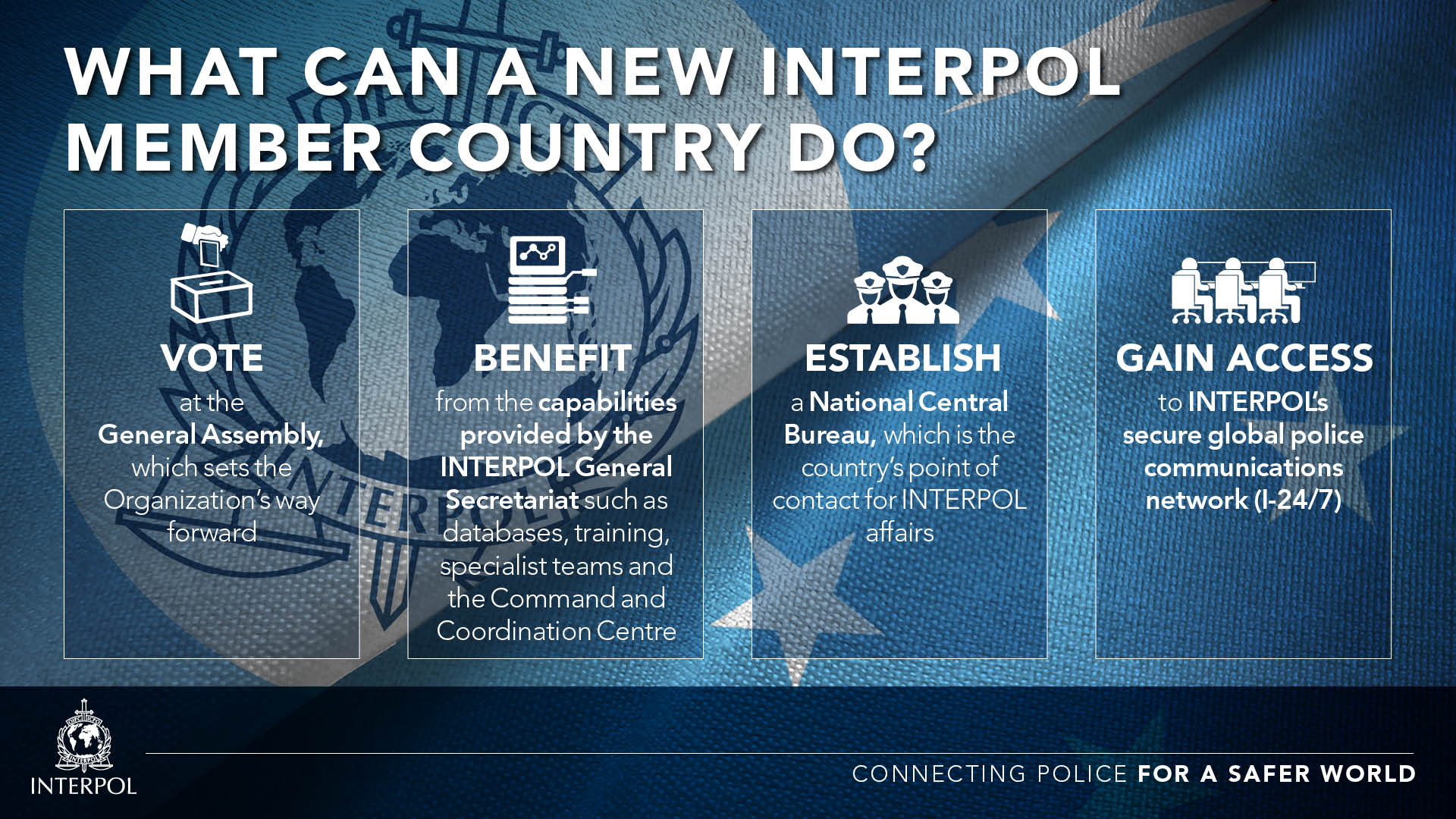
The Future of Interpol and Legal Challenges

As globalization continues to increase interconnectedness among nations, the role of Interpol—and by extension, the lawyers who work within this framework—will likely evolve. Emerging technologies, cybercrime, and changing international laws will present new challenges. Lawyers must remain adaptive and continually update their understanding of both law and technology to best serve their clients.

Conclusion

The role of lawyers in Interpol cases is indispensable. They are the frontline defenders of due process and personal rights in the often tumultuous waters of international law enforcement. Whether challenging the validity of Red Notices or navigating extradition processes, these lawyers help maintain a balance between law enforcement objectives and individual rights. As international cooperation in policing grows, so too will the complexity of the cases lawyers will handle, underscoring the need for skilled professionals in the field.

Scroll al inicio